The micro-fulfillment category moved past the "is this real?" conversation sometime in 2025. The numbers and the retailer case studies are all pointing the same way, which doesn't happen often in supply chain.
The micro-fulfillment centre market
The MFC market reached 12.4 billion dollars in 2025, and is projected to hit 22 billion by 2029. The installed base sits around 2,000 MFCs globally, forecast to reach 5,600 to 6,600 by 2030. The underlying driver: online grocery is projected to reach 20 to 21.5 percent of total grocery sales (up from roughly 3 percent in 2019).
Three retailer stories worth knowing:
- Walmart, partnering with Symbotic on 400 in-store robotic MFCs. Four pilots already running. Robotic MFCs now process about 55 percent of Walmart's digital grocery volume. Customers shopping from MFC-enabled stores order 3 times more often and fill baskets 13 percent fuller.
- Kroger signed an automated MFC deal with Fulfil in March 2026.
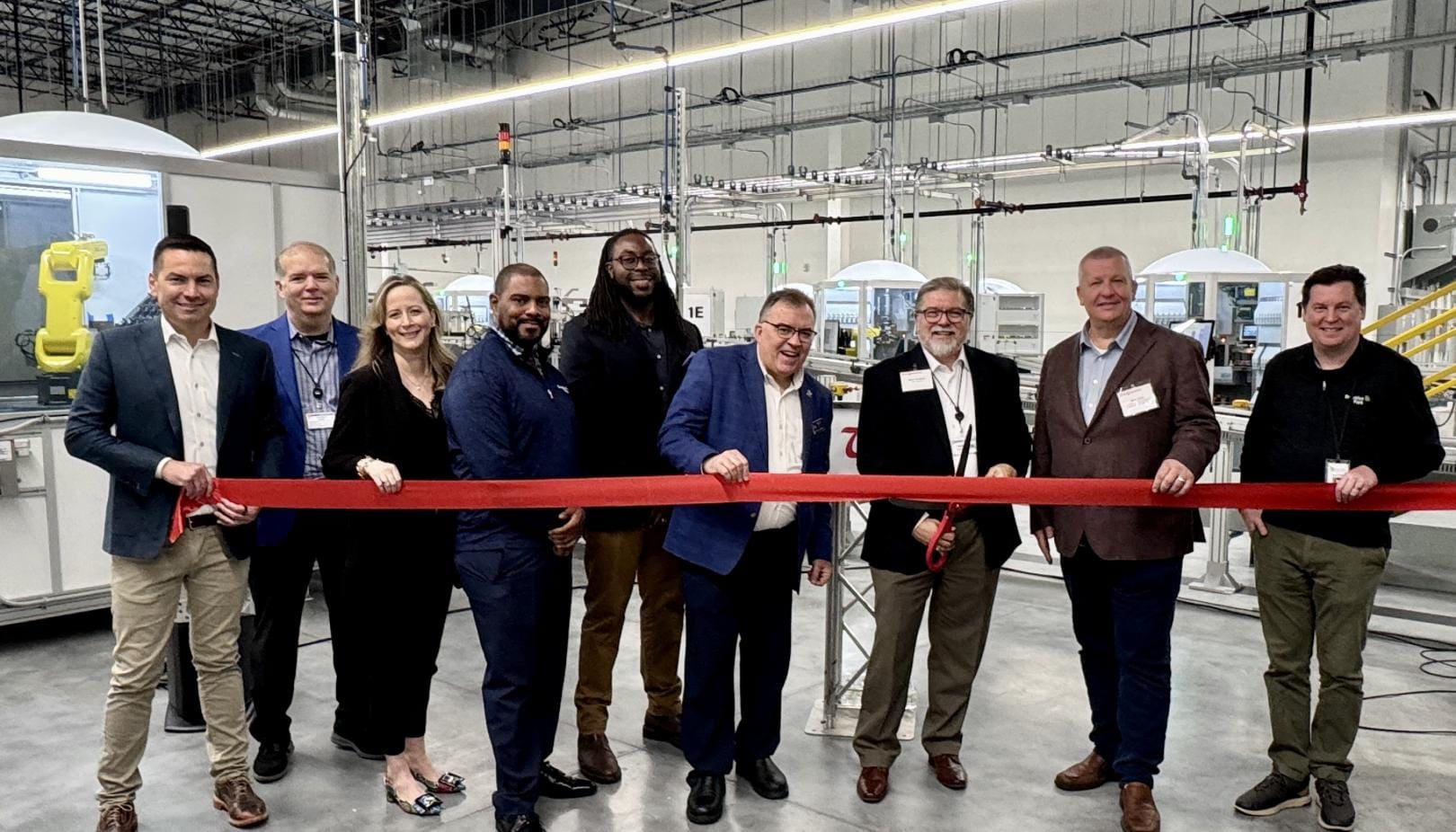
- Walgreens runs 11 robotic MFCs that now handle roughly 40 percent of prescription volume. Cost per fill is down 13 to 14 percent, and the company reports around 500 million dollars in annual savings. They're adding a facility in West Jordan, Utah serving about 96 stores.

Amazon's version is slightly different: a 30-minute delivery pilot running in Seattle and Philadelphia, plus a planned 50,000 square foot MFC near Chicago opening in 2027.
The operational deltas
Compared to traditional in-store picking, MFCs process orders 40 percent faster, lift accuracy from 94 percent to 98 percent, and cut labor cost per order by 28 percent. That combination is why the category has moved past the pilot conversation.
Dark stores are moving even faster
The dark store market is projected to go from 20.22 billion dollars in 2025 to 131.14 billion by 2031, a 36.56 percent CAGR. Dark stores cut delivery times by 40 percent and operational costs by 30 to 60 percent compared to storefront-based fulfillment. Europe alone runs 15,000 plus dark stores. India's quick-commerce players have built around 1,900 and are targeting 5,000 plus by end of 2026.
The last-mile layer
All of this creates demand for the last mile. Zipline has logged 100 million autonomous miles. Serve Robotics runs 2,000 plus robots and has completed over 100,000 deliveries. The delivery drone market is expected to hit 4.4 billion dollars by 2030. Drones produce 84 percent lower greenhouse gas emissions than trucks and consume up to 94 percent less energy per delivery.
None of these are mass-market yet, but the commercial-scale experiments are no longer single digit. If you're modelling a 2027 or 2028 quick-commerce network, the delivery robot option is in scope for the first time.